
Share this link via
Or copy link
Bet The Flip (β)
Your current points are 10.
Current win streak: 2
Win streak bonus: x1.5
Which one will you bet on?
How much would you like to bet?
You're betting 3 points on heads.
If you're ready, please tap the button below, and flip your coin!
Result
You Win! You've earned points!
Current points: 10
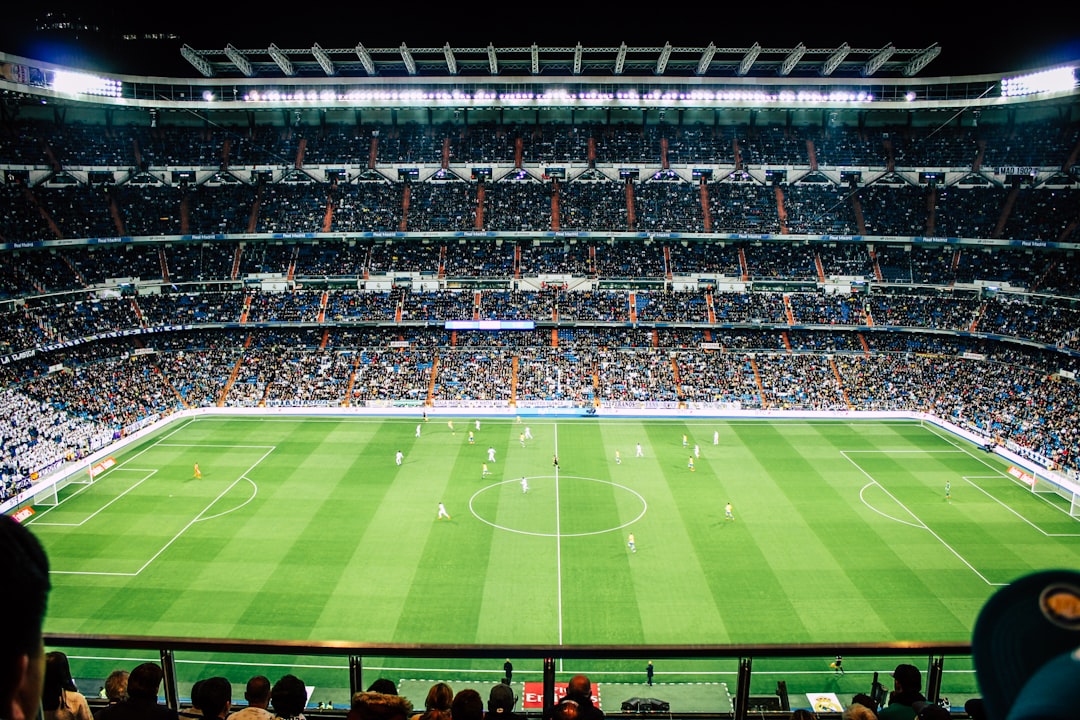
Photo by Vienna Reyes on Unsplash
A coin toss takes about a second. The consequences can last a lifetime — or a championship. Here are seven moments where a flipped coin sat at the center of a major sports story, in the order history wrote them.
The 1958 NFL Championship Game between the Baltimore Colts and New York Giants is often called "The Greatest Game Ever Played." Tied 17-17 at the end of regulation, it became the first NFL Championship decided in sudden-death overtime.
The New York Giants won the overtime coin toss and received the ball, but went three-and-out and punted. The Colts then drove 80 yards in 13 plays, with Alan Ameche scoring the winning touchdown for a 23-17 victory. The drama of that overtime is widely credited with helping launch professional football into national prominence.
Before the NBA introduced the draft lottery in 1985, the #1 overall pick was decided by a coin flip between the worst finishers on the two sides of the league (divisions in the 1960s, conferences from 1971). In 1969, the Milwaukee Bucks and Phoenix Suns flipped for the right to draft Lew Alcindor (later Kareem Abdul-Jabbar) out of UCLA.
Milwaukee won the toss, took Alcindor, and won the NBA championship two seasons later. Phoenix selected Neal Walk at #2.
The Pittsburgh Steelers and Chicago Bears both finished the 1969 season 1-13, tied for the worst record in football. The right to the #1 pick in the 1970 draft came down to a coin toss.
Pittsburgh won, and selected quarterback Terry Bradshaw out of Louisiana Tech. Bradshaw went on to win four Super Bowls with the Steelers and enter the Hall of Fame — and the dynasty of the 1970s can be traced, in part, to a single coin landing the right way up.
The 1984 NBA Draft was the last to use the coin-flip system before the lottery era began in 1985. The Houston Rockets and Portland Trail Blazers flipped for the #1 pick. Houston won and selected Hakeem Olajuwon out of Houston (the school).
Portland, picking #2, took Sam Bowie. The Chicago Bulls then selected Michael Jordan at #3. The 1984 coin flip is one of the most consequential in basketball history — it set up a draft whose top three picks are still debated more than four decades later.
The Dallas Cowboys and Baltimore Ravens both finished the 2013 regular season at 8-8 with identical strength-of-schedule. To break the tie for draft order, the NFL used a coin flip.
Dallas won the flip and selected one slot ahead of Baltimore. The Cowboys took guard Zack Martin at #16; the Ravens took linebacker C.J. Mosley at #17. Both became multi-time Pro Bowlers and franchise cornerstones — a reminder that even a single-pick swing decided by a coin can shape a team's roster for a decade.
Super Bowl LI between the New England Patriots and Atlanta Falcons went to overtime tied 28-28. Under NFL postseason overtime rules at the time, a touchdown on the first possession would end the game. The Patriots won the overtime coin toss, received the ball, and drove for a James White touchdown to win 34-28 — completing the largest comeback in Super Bowl history.
One coin toss. One drive. One championship.
In cricket, every match — from village ground to Test match — begins with a coin toss. The winning captain chooses to bat or bowl first, a decision that can shape the entire game depending on pitch condition, weather, and team strengths.
Unlike most sports, where the toss is a small ritual before kickoff, in cricket the toss is treated as part of the strategy of the game. Captains have been second-guessed for decades over toss decisions that "should have" gone the other way.
Major tennis matches begin with a coin toss (or, by tradition, a racket spin) to decide who serves first or which end of the court each player takes. The principle is identical: a random binary outcome assigns a small but real advantage at the start of play.
It's a reminder that across sports, a flipped coin is one of the oldest, simplest, and fairest ways humans have invented to make a decision — and sometimes, history.
Curious how a coin flip feels when something is on the line? Flip a virtual coin here — it's the same 50/50 that decided every story above.
Share this link via






Or copy link