
Share this link via
Or copy link
Bet The Flip (β)
Your current points are 10.
Current win streak: 2
Win streak bonus: x1.5
Which one will you bet on?
How much would you like to bet?
You're betting 3 points on heads.
If you're ready, please tap the button below, and flip your coin!
Result
You Win! You've earned points!
Current points: 10
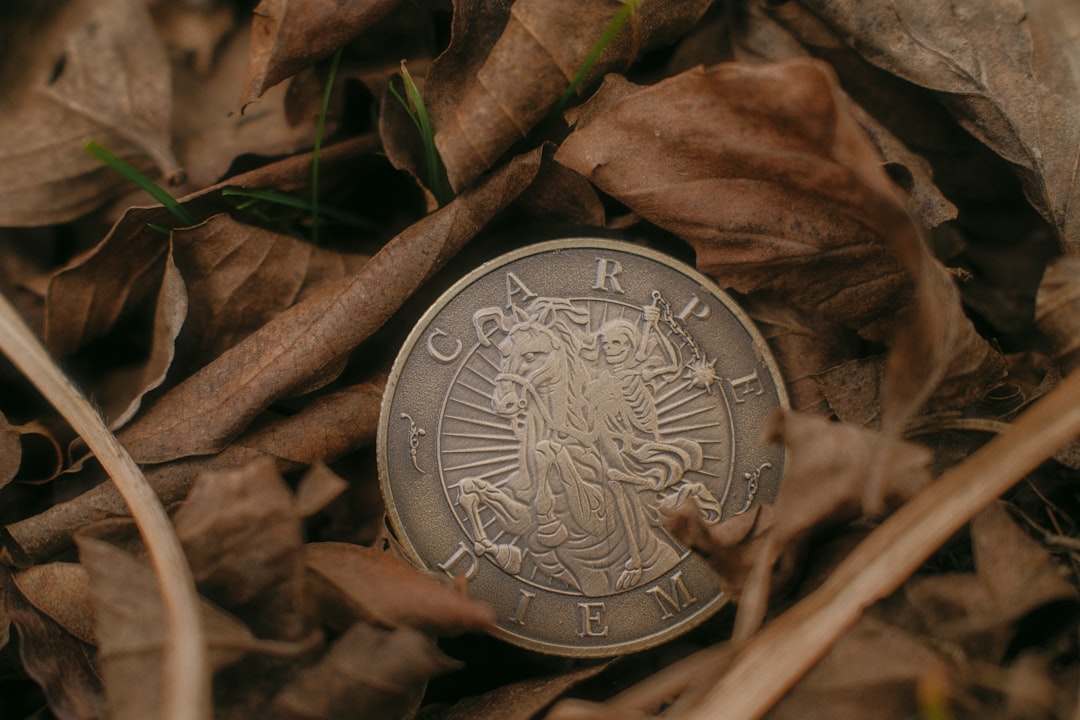
Photo by Drazen Nesic on Unsplash
Long before random number generators or dice apps, humans had a simple, universal way to settle disputes: flip a coin. The history of coin flipping spans ancient Rome, medieval Europe, the naming of an American city, the first airplane flight, and modern championship games.
In ancient Rome, citizens played a game called capita aut navia ("heads or ships"), referring to the design on Roman coins — a ship's prow on one side and a deity's head (typically Janus) on the other. The losing side accepted the result as the will of the gods. The coin itself — Janus head on one side, ship’s prow on the other — circulated from the Roman Republic era (3rd century BCE); the game is attested in late-antique sources such as Macrobius’s Saturnalia.
European coins typically featured a cross on one side, leading to the phrase "cross and pile" being used through the Middle Ages, where "pile" referred to the reverse of the coin (named for the lower die used to strike it). Sailors used coin flips to decide who got the last ration; nobles used them to settle gambling debts.
One of history's most consequential coin flips happened in 1845. Two settlers founding a new townsite in Oregon — Asa Lovejoy of Boston, Massachusetts and Francis Pettygrove of Portland, Maine — each wanted to name it after their hometown. Pettygrove won two tosses out of three, and the city became Portland instead of Boston. The copper coin they used, now known as the Portland Penny, is still on display in Oregon today.
On December 14, 1903, the Wright Brothers flipped a coin to decide who would attempt the first powered flight. Wilbur won and made the attempt that day, but stalled on takeoff and damaged the Flyer. After repairs, Orville made the historic first successful flight on December 17, 1903. A single coin flip thus determined which brother is forever credited with the world's first powered airplane flight.
In American football, the coin toss before kickoff has been a tradition since the 1890s. The NFL's overtime coin toss has decided championship games — most famously in Super Bowl LI, when the New England Patriots won the overtime toss, received the ball, and drove for the game-winning touchdown to defeat the Atlanta Falcons 34–28. In cricket, the captain who wins the toss chooses to bat or field — a strategic decision worth millions of dollars in international matches.
Multiple US states allow random draws to break tied elections. A tied 2017 Virginia House of Delegates race was settled in early 2018 by drawing a name from a film canister — the legal cousin of a coin toss. Lot-drawing methods, coin flips among them, have also been used for jury selection and small property disputes.
The appeal is universal: it's fast, it's fair, and it's beyond personal bias. With Flip a Coin.com, this 2,000-year-old tradition continues — now with realistic 3D animation and global statistics tracking. Some traditions never get old.
Flip a coin now and join the long history of decisions made by chance.
Share this link via





Or copy link