
Share this link via
Or copy link
Bet The Flip (β)
Your current points are 10.
Current win streak: 2
Win streak bonus: x1.5
Which one will you bet on?
How much would you like to bet?
You're betting 3 points on heads.
If you're ready, please tap the button below, and flip your coin!
Result
You Win! You've earned points!
Current points: 10

You have probably seen a coin flip a hundred times — in movies, on a football field, at the start of a board game — without anyone ever explaining how to actually do one. There is a conventional technique. It looks effortless because it is small, but every part of it (the fist shape, the thumb position, the catch) has a reason. This guide walks through the standard thumb-flick coin flip step by step, the two common ways to catch the coin, and the tips that most people figure out only after a few embarrassing misfires.
This is the version you see on televised football games and in courtrooms: one hand cradles the coin against a tucked thumb, and the thumb flicks the coin straight up.
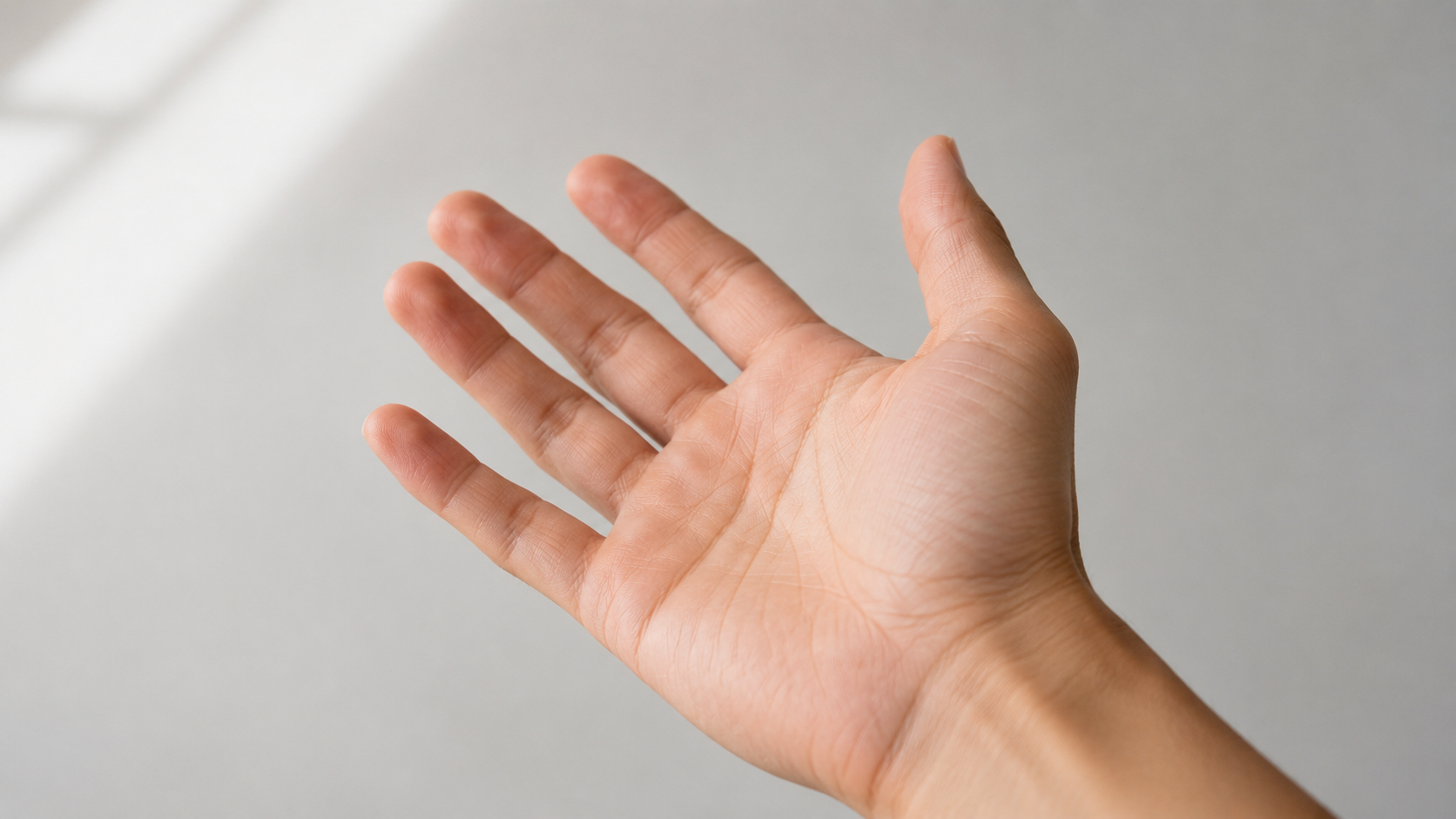
Start with relaxed, open hands. Shake them out if they feel stiff.
The thumb-flick needs flexibility, not strength, so a loose hand makes every step that follows easier.
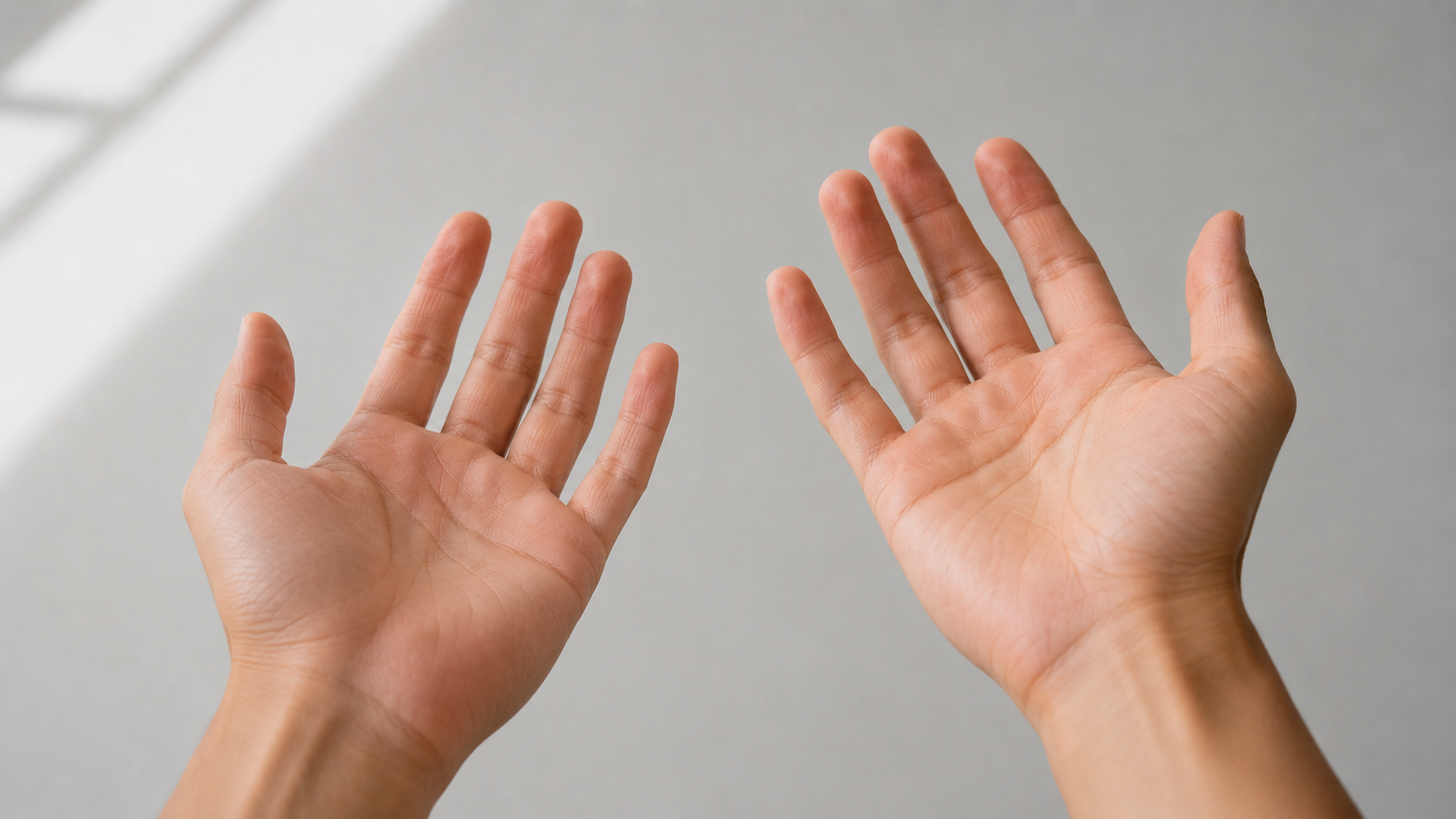
Either hand works. Pick whichever feels more natural.
A right-handed person usually flips with their right hand, but neither hand has any mechanical advantage.
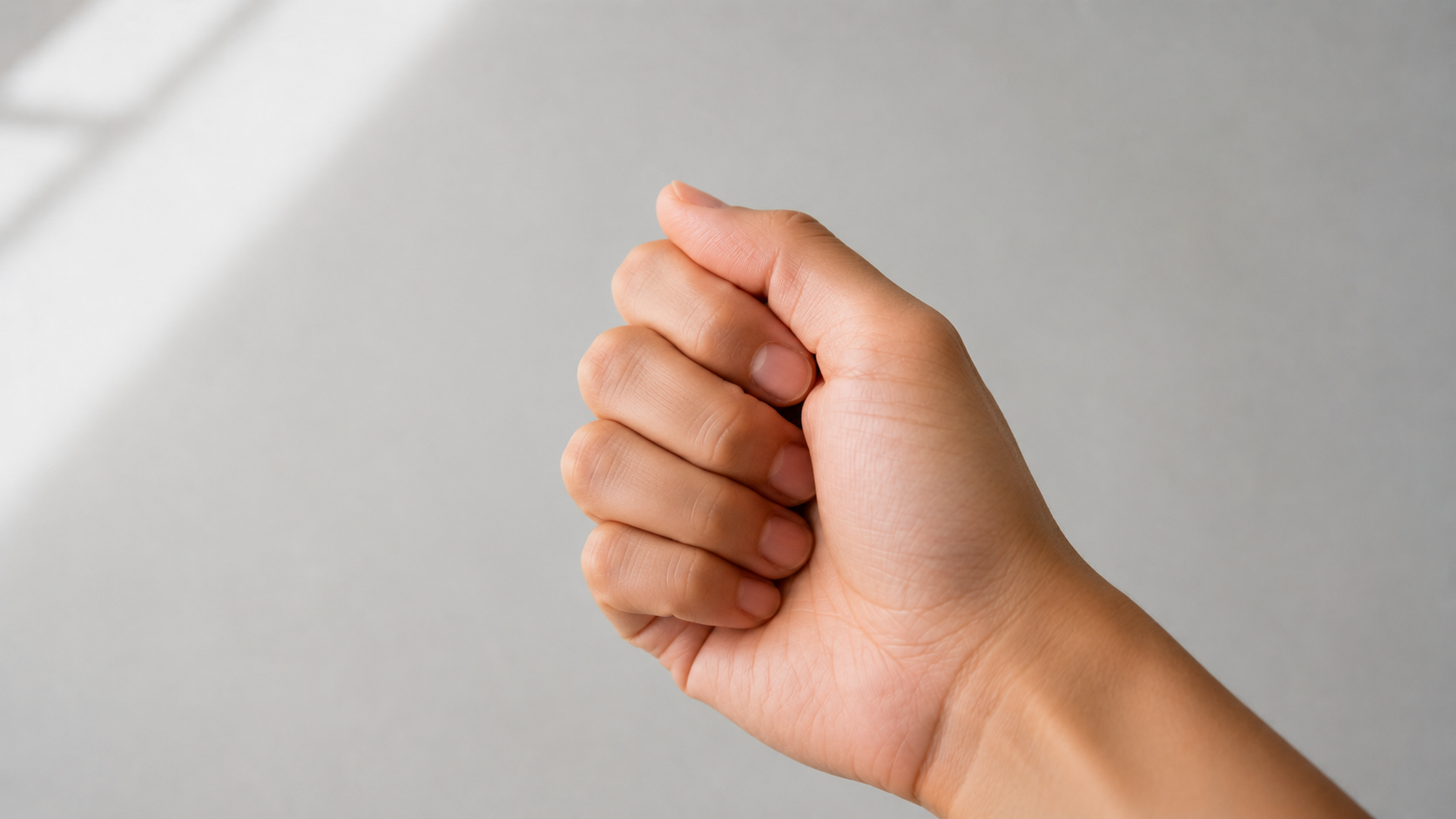
Close into a fist, but keep it soft — not clenched.
A clenched fist makes the thumb stiff and the flick uneven. Imagine you are holding a small fragile object inside.

Like a thumbs-up. Your thumb should point roughly straight at the ceiling.
This is the position your thumb will return to at the moment of release.
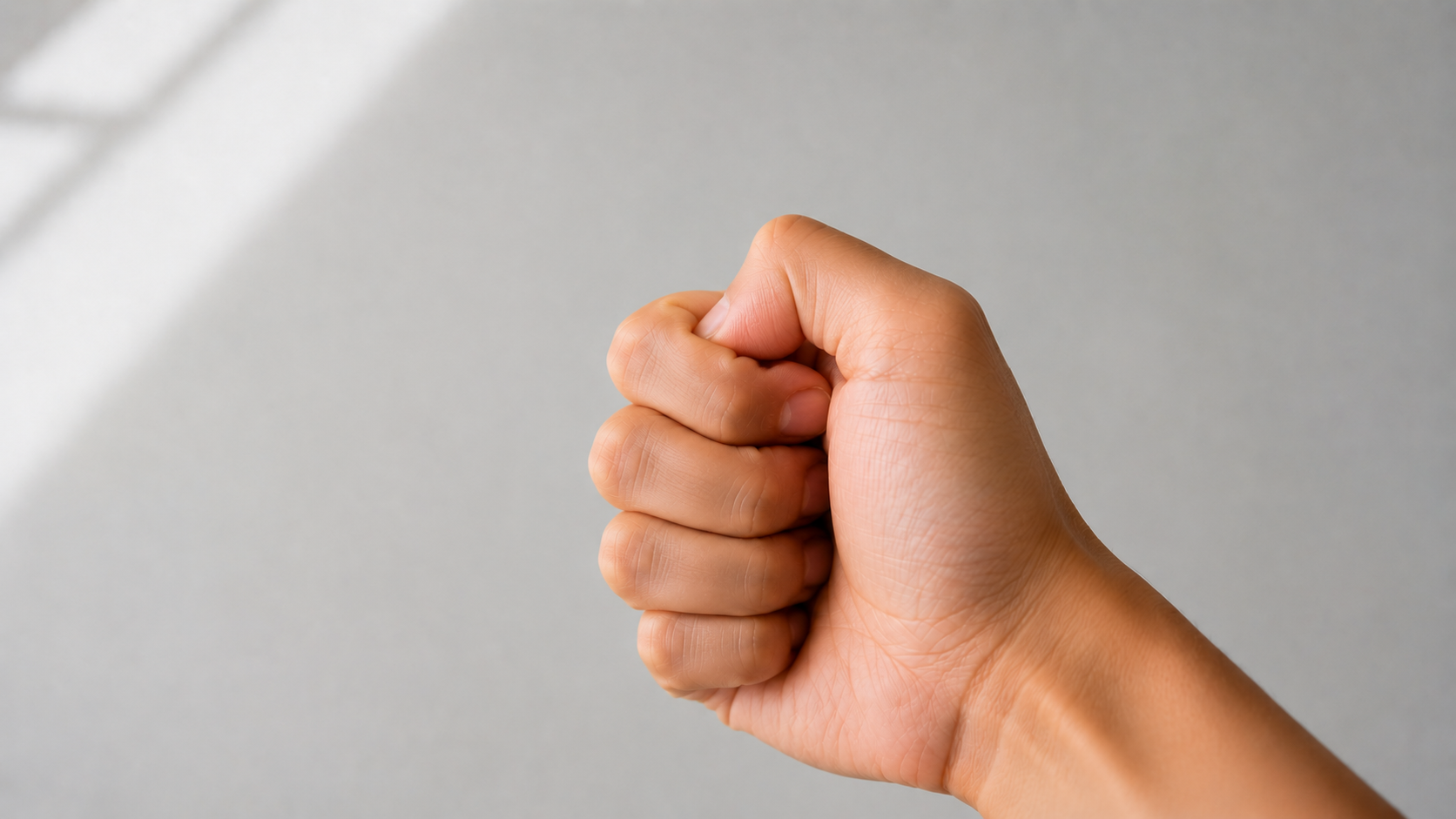
Tuck the side of the thumb under the bent index finger. The thumbnail stays mostly exposed.
This tucked position is the "spring" that will launch the coin.
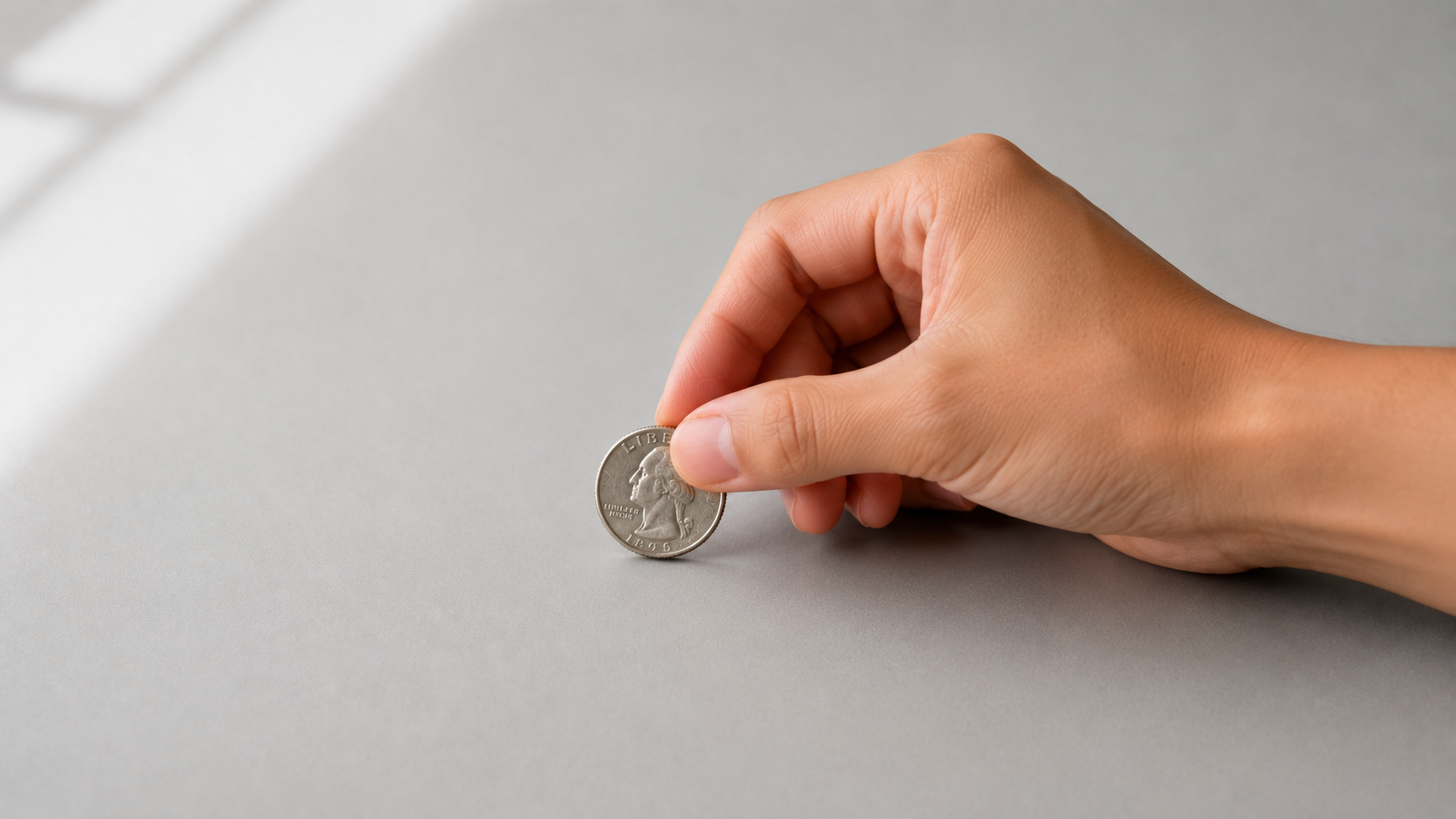
Any standard coin works. Quarters, half-dollars, and similar mid-size coins are the easiest to feel and flip cleanly.
Avoid very light or worn-out coins — they wobble unpredictably in the air.
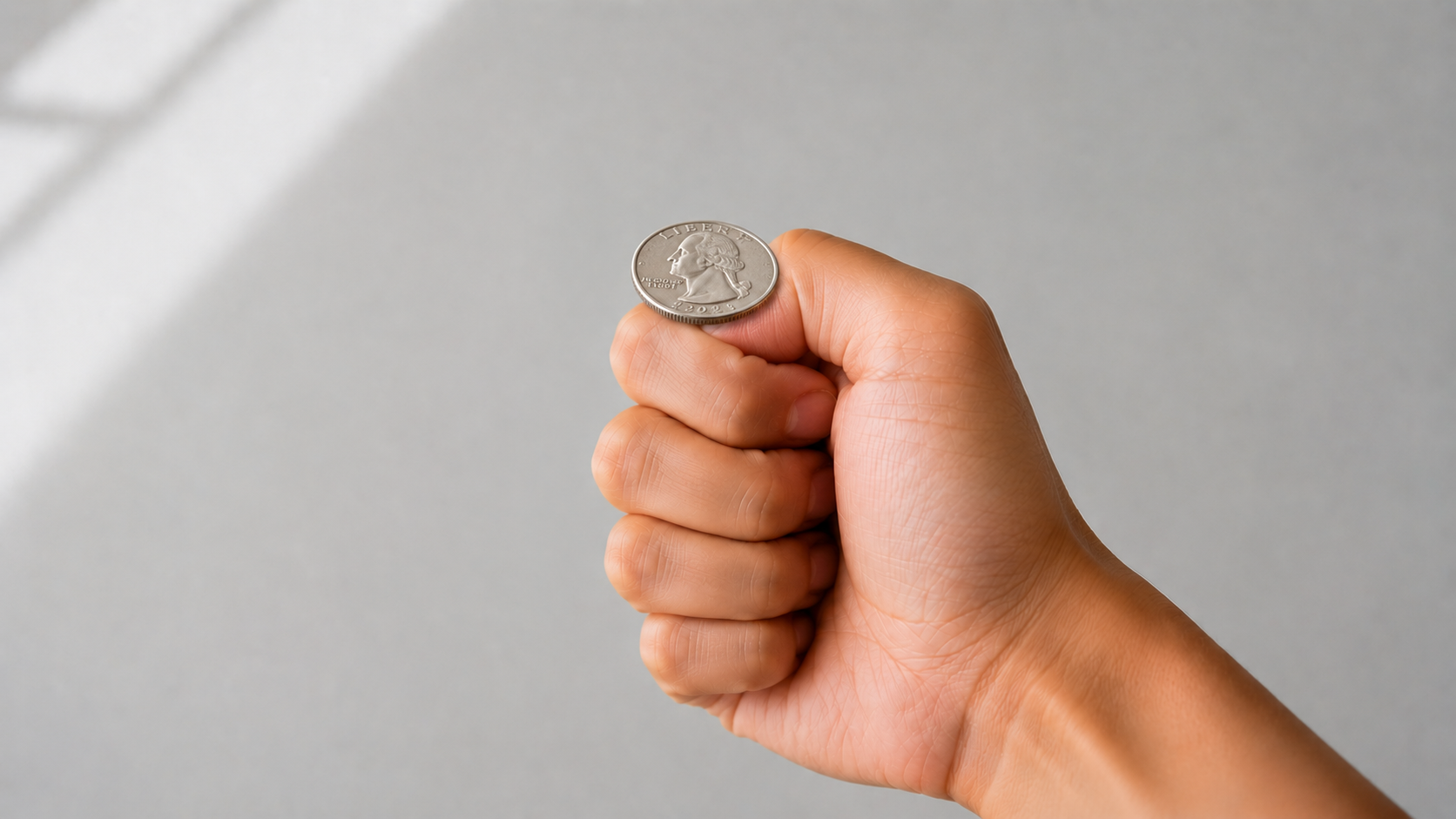
Set the coin on the exposed part of the thumbnail, right at the bend where the thumb meets the index finger.
You should feel the rim of the coin pressing against your nail.
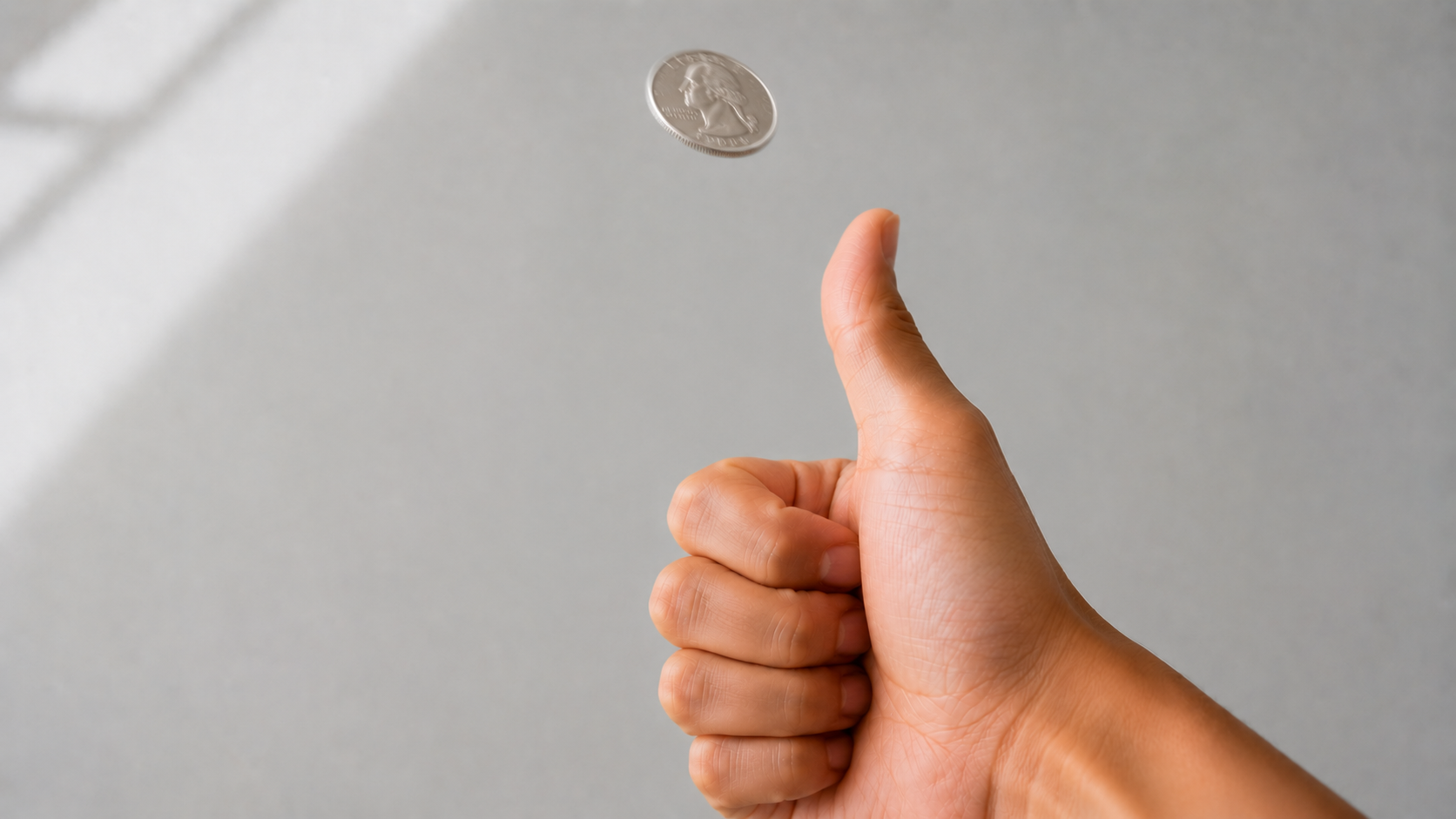
Release the thumb in one sharp, vertical motion. The coin should tumble end-over-end on the way up.
Flick as if you were giving a tiny thumbs-up with explosive energy — the thumbnail kicks the coin straight up.
If the coin barely rotates, you used too soft a flick. If it shoots sideways, your thumb came out at an angle. A clean flip looks small, fast, and almost vertical.
Before your first real attempt, one tip: most people grab a coin the moment they read this and start flicking. The coin almost always falls awkwardly the first few tries. Practicing the motion without a coin for a minute or two builds the right muscle memory — when you do add the coin, your hand already knows what to do.
The flip is only half of the technique. The catch determines whether the result is visible — and traditionally, whether the flip is considered fair. There are two widely used catch methods.
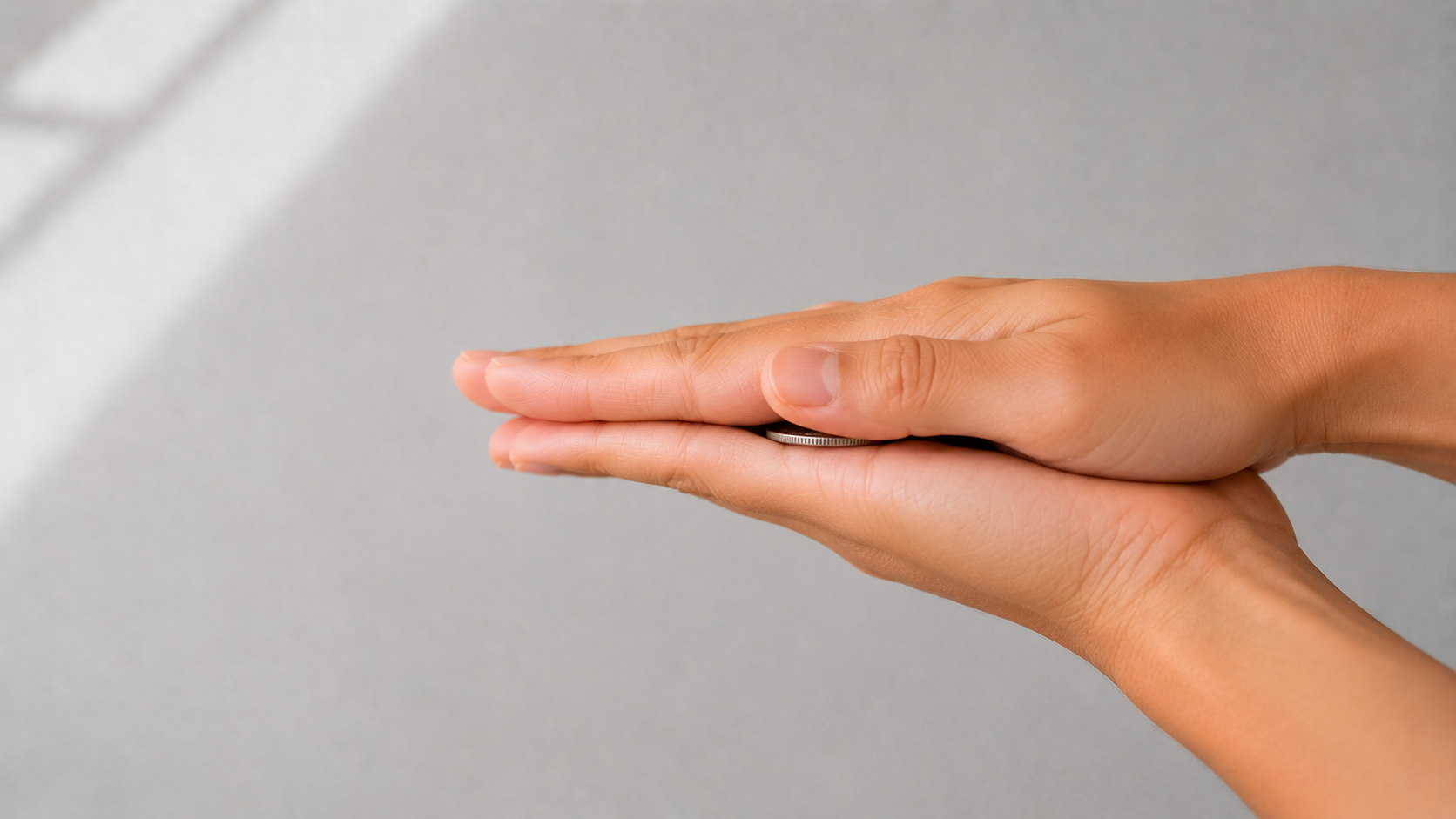
The sandwich catch: catch the coin in one palm, close into a fist, then transfer to the other open palm before revealing the result.
Used by most casual players and many referees.
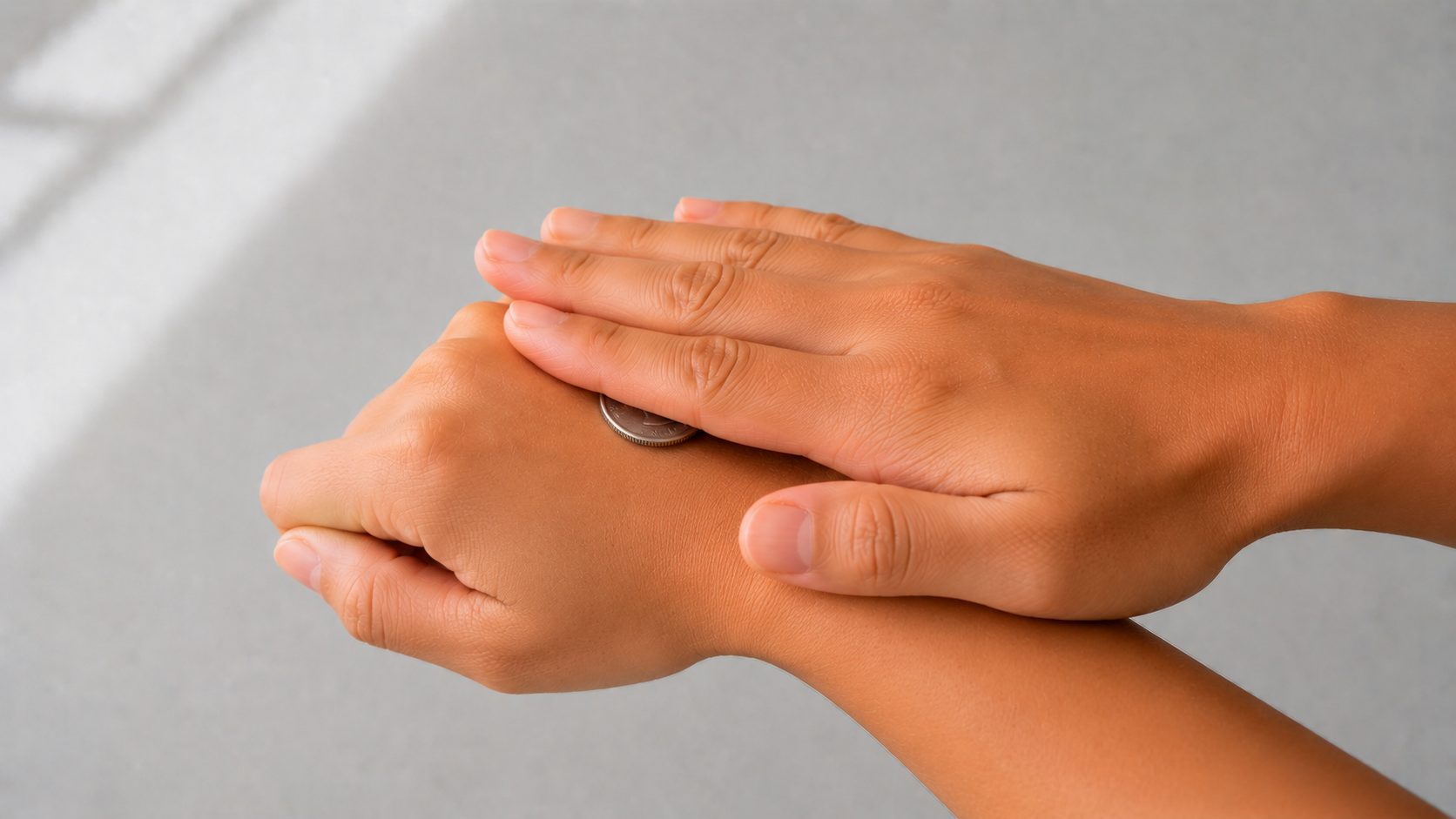
The backhand catch: the coin lands on the back of the non-flipping hand and is immediately covered with the flipping hand.
Used at many casual and informal coin tosses, especially when the toss happens in a small space and the participants want to settle the result quickly. (Note: in NFL games and cricket matches, the official procedure is to let the coin land on the ground rather than slap-catch it.)
The backhand catch is dramatic and the covered coin can be revealed all at once, which is why it shows up in many ceremonial moments — even if it isn't the actual official rule in the major leagues.
A coin toss looks easy. The first dozen tries usually aren't. Here are the most common problems and the fixes that work.
If your thumb feels stiff and the coin barely leaves your hand, your fist is clenched too hard. Try shaking your hand out, taking a slow breath, and re-forming the fist gently. A useful drill is to clench and unclench five times, then form the fist on the sixth — your hand will be looser and your thumb will move freely.
There is no rule. Both hands work mechanically the same way for the thumb-flick, and there is no measurable advantage to either. Use whichever feels less awkward. If you can flip cleanly with either hand, alternate — variety keeps your technique honest.
This almost always means you flicked your thumb without committing — a half-release. Practice the motion without a coin: place your thumb in position, then flick it as if you were firing a small bullet upward. When the empty motion looks crisp, add the coin back.
A few tricks change how many times the coin rotates in the air. They are not required, but being aware of them is useful.
You may have read advice that one side of a coin is heavier than the other ("heads is heavier because the portrait design is more detailed") and can be exploited to favor an outcome. For modern minted coins this is essentially untrue — the asymmetry exists in some older coin designs, but it is far too small to give a useful advantage when the coin is flipped. The well-documented spin-on-edge bias is much larger, but that is a different technique entirely. Bottom line: in a normal flip, don't try to exploit weight. The effect is negligible, and the appearance of trying is bad sportsmanship.
The physical technique is fun to learn, but it isn't actually the fastest way to settle a 50/50 decision. If you don't have a coin in your pocket or you want to settle 200 flips in a row, flip a virtual coin — same 50/50, no thumb required. The site also has a statistics simulator if you want to see what happens when you flip a coin 10,000 times.
The only real shortcut is repetition. After 20 or 30 practice flips your thumb finds the right angle by itself, and the catch becomes automatic. A clean coin toss is a tiny, easily-learned skill that pays off any time two people need to decide something without arguing. Practice it once. Use it forever.
Share this link via






Or copy link